Understanding the Role of Chamber Flags, in Firearm Safety
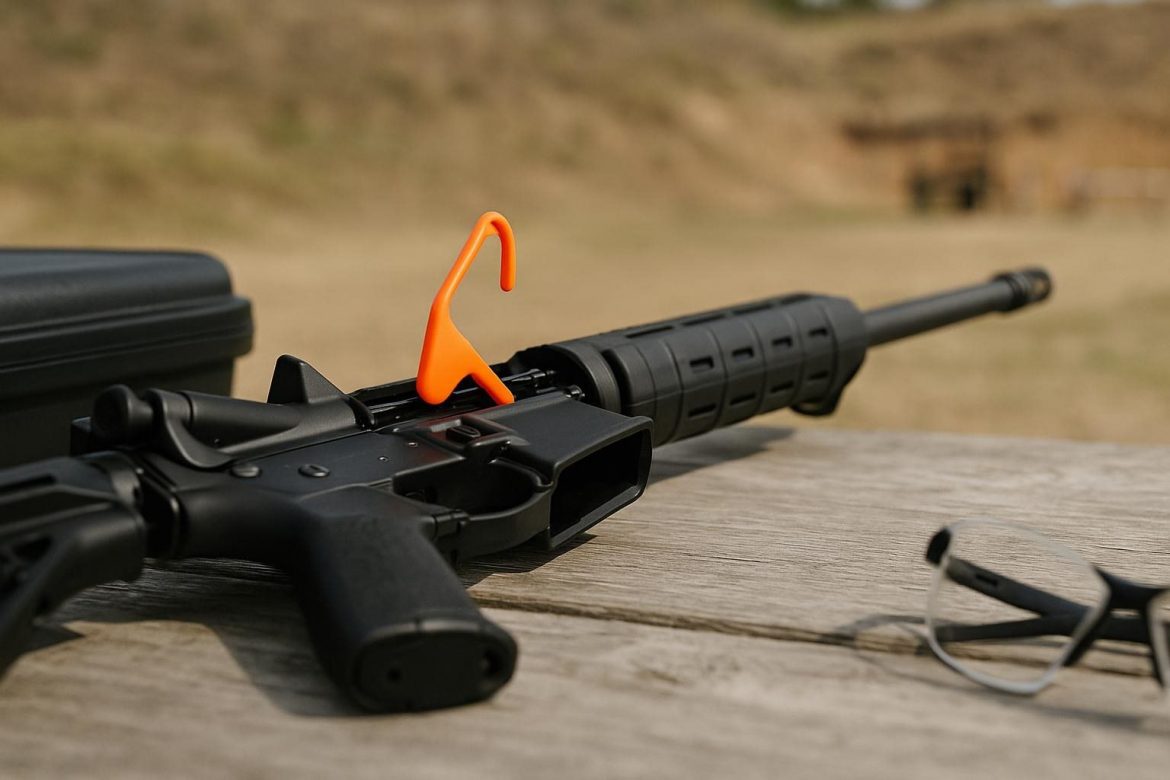
I have seen many shooters and range members misunderstand chamber flags. Chamber flags show that a firearm action is open. They do not prove that the firearm is unloaded. The main purpose of a chamber flag is to remind users of the safety steps that must be taken before handling a firearm keeping everyone careful and vigilant.
Unloading: The Essential First Step
Before placing a chamber flag in a firearm it is crucial to follow an unloading procedure. Always point the muzzle in a direction. Start by removing any ammunition from a firearm then open the action. This is the time to look into the chamber and any other places where a cartridge might be hidden.
Be sure to consult the firearm manual for unloading instructions because different models may have procedures. If a person is unsure do not hesitate to ask a range officer or instructor for guidance. This inspection is the safety measure; placing a chamber flag is a follow‑up action.
Selecting an Appropriate Chamber Flag
When choosing a chamber flag make sure a chamber flag fits properly in a firearm action. A chamber flag that is too tight or too loose can create problems for both function and safety. Many chamber flags have a tab or a colorful rope for identification but check range rules-some may require styles or sizes. A too‑large chamber flag could jam the action while a too‑small chamber flag might fall out during movement.
Ensure a chamber flag is visible from both the side and rear of a firearm. Is secured. Make a chamber flag from a material that will not scratch firearm surfaces. Avoid using items that could block firearm function. Remember, a chamber flag is not a substitute for a lock and it should not force the firearm action closed around it.
Consider keeping a chamber flag in a range bag. Do not let convenience override a safety protocol. If a chamber flag goes missing during handling stop immediately. Re‑check a firearm before proceeding. If a chamber flag is damaged, replace it-this keeps a firearm safe.
Transitioning Safely from Bench to Case
Incidents often happen during transitions, such as packing up after shooting. It is easy to overlook a firearms condition when a person's in a hurry to move. Instead develop a routine: cease firing keep the muzzle safe remove any remaining ammunition open the action check the chamber and related areas insert a chamber flag and place a firearm according to range regulations.
Do not forget to separate ammunition during transport whenever local rules require it. Avoid placing a firearm in a spot where it can slide or be handled carelessly on the way home. Visibility of a chamber flag is essential when a firearm sits on a shooting bench or any safe spot. Check laws and range rules for storage to avoid issues or accidents.
Knowing When Not to Use a Chamber Flag
Chamber flags are useful in some situations. Not all. Do not try to force a chamber flag into a firearm action; this can cause damage or violate manufacturer guidelines and range protocols. Many firearms have. Checking procedures that must be followed carefully.
If a person encounters a stoppage or suspects a malfunction keep the muzzle safe follow range instructions and resist the urge to fiddle with a firearm action just to tidy up. If a person remains uncertain about a firearms condition stop the process. Seek help.
A Compact Safety Checklist
Creating a checklist can be invaluable especially when noise or rushing distracts a person. Here is a simple guide to ensure no crucial step is missed:
– Ammunition removed: Follow the protocol for a firearm and any range rules.
– Action open: Confirm that a firearm action is open and check a chamber thoroughly.
– Flag properly fitted: Ensure a chamber flag is in place correctly and easily visible.
– Safe direction: Keep a firearm muzzle pointed during all handling.
– Storage: Secure a firearm in a case or storage device for transportation.
– Manage accessories: Take care of ammunition and other needed items in line, with laws and safety rules that apply.
– Inspection post-session: Look at a chamber flag to make sure it is fine and replace it if it is hurt or gone.
After every outing safety checks become more, than a formality; safety checks set up a routine that shows ownership of a firearm. A chamber flag helps spot an action and cuts down confusion at the shooting line. Knowing the limits of a chamber flag is essential; a chamber flag shows that the condition has already been checked. A chamber flag does not replace the need for a person to check a chamber flag themselves.