You need to be able to tell the difference between a well used firearm and one that has been poorly maintained. A firearm can look rough but still have been well looked after and conversely a nearly new looking firearm can hide unknown problems. You have to make a decision based on appearance plus the history provided by the owner plus your own inspection for wear plus an optional inspection by a gunsmith. This can be a difficult task and there are many factors that come into play when purchasing a used firearm.
Start with what the finish can and cannot tell you
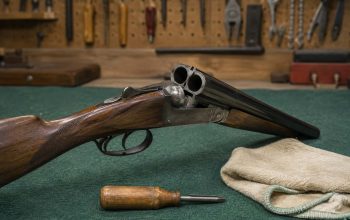
An owner can use a firearm frequently but take proper care of it. Cosmetic wear is superficial wear of the finish at contact points of the firearm. There may be small scratches, softening of edges, or even scrapes from holsters, cases, and other items used to carry the firearm. And even though a firearm looks rough it doesn't necessarily mean that it has been poorly cared for.
A gun can look to be in excellent condition but have horrible internal maintenance. Conversely, a gun that has been used frequently does not mean it was not properly cared for. It simply means that the gun was frequently used and most likely cleaned and stored properly and serviced when necessary for repair.
Where there is wear, look for a pattern to it – wear to concentrate at the case areas (holster and case contact) will show a different kind of wear than deep scoring, rust, impact etc. Flaking, pitting, bleaching, roughness – cover all. Is it superficial or does it extend to areas not in contact with the outside?
Do not be tempted to polish and clean up any cosmetic flaws prior to your inspection as much can be hidden in the process of cleaning up. Such elements could reveal themselves later as major problems which you would have identified and avoided had you not tampered with.
Read wear alongside the firearm's condition
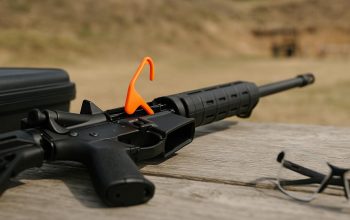
Always follow the same safety procedures when dealing with a used firearm as you would with a firearm at a shooting range. This means that the muzzle must always be pointed in a safe direction. Until you have verified that a firearm is unloaded, treat it as if it were loaded. Remove any ammunition from the work area before beginning to clean a firearm. Have the action opened on the firearm and inspect it as described in the manufacturer's instructions. If you are not certain that a firearm is unloaded, do not deal with it and seek the advice of a qualified person.
Note any obvious signs of wear including corrosion. Check all fasteners to ensure they are not loose or damaged. Check the stock and grip for any signs of cracking. Check all the controls (safety, firing mechanism, magazine etc.) for any signs of bending or wear that could cause malfunction. Check the bore and chamber for any signs of wear, unusual damage or obstruction. Any of these signs of wear must be checked by a competent gunsmith.
Pay attention to how the parts feel when you are handling the gun unloaded. If any of the controls bind in any way, don't force them. Find out if they need to be taken apart and cleaned or if they need to be replaced. Also be aware of any parts that feel to be loose. Do not test fire the gun to try to and find out if any of the parts are loose. It is better to wait a little longer to find out than to risk hurting yourself or others.
Ask for records, not just reassurance
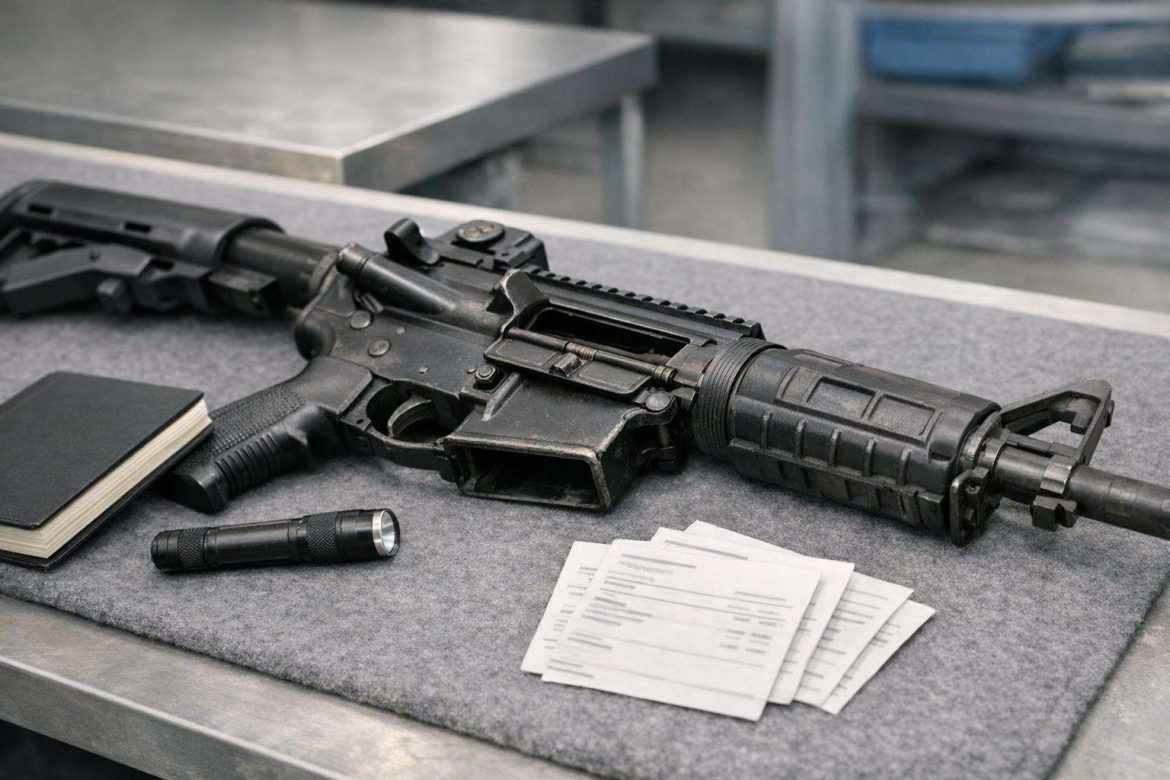
A service history for a firearm can consist of dated receipts for maintenance, notes from the owner or gunsmith for any repairs, and even a list of parts that were replaced. These can be written on any piece of paper, need not be elaborate and the owner's efforts to deal with any problems with the firearm, even if not perfect, are valuable.
As stated above, maintenance records can be of value, but missing records can represent many scenarios. A missing record from years ago may have been lost in a move or stored in a safe that was in storage. In many cases, work that was done on a firearm was never documented. Missing records do not automatically equal poor care.
Ask if there are any service records available (best to get copies of receipts for parts replaced and notes from gunsmiths). Ask for the dates of last inspection, repairs and of any storage in humid or wet conditions. Get a verbal account of all this and note if the owner seems evasive or hesitant in getting any of these issues out in the open. Once you have bought the firearm be sure to note all future service and maintenance on it in a safe place.
You can't assume that a recent cleaning has been done properly to inspect a firearm for concealed defects. Surface cleaning does not involve disassembly of the firearm to clean between internal components.
Use uncertainty to set the buying decision
Buying a gun is more than looking for the perfect cosmetic appearance. The mere fact that a gun looks like it has been worn lightly while being properly maintained is far more important than a gun that looks brand new with no history of the gun what so ever. That gun with cosmetic wear and documentation to back up its maintenance could actually be worth more than a similar gun with no wear and no records to back up its maintenance.
Have a firearm inspected for safety by a gunsmith before you purchase it. If the seller is reluctant to have the firearm inspected for safety before you buy it, then walk away from the sale. Better to wait for another safe trade than to inherit a gun that can become a deadly instrument in your hands due to your lack of caution.
Just remember, the seller's deadline for a decision is NO part of your safety. If the seller refuses your request for an inspection, if the gun cannot be safely cleared for your inspection, or if the gun's wear contradicts the seller's description of it then simply walk away. Missed opportunities are cheaper than unknown problems.
Keep your own record after the purchase
Even after purchasing a gun, take note of and record in a simple file the make, model, and other identifying information of your newly acquired firearm as well as the date of its purchase. Make sure to include any subsequent inspections as well as parts replacements and other repairs, along with all relevant receipts and the notes of the professional who performed the work.
Follow the recommended maintenance for your firearm and only use the best lubricants, cleaners, etc. made for firearms and follow the manufacturer's instructions. If you notice any unusual wear, damage or feel any change in the firearm's normal operation, cease use and seek the advice of a qualified gunsmith. Do not test for damage.
As you build up your service history records over time, these will help form the basis of your decision making and show the cosmetic wear of a firearm against its actual service history. Remember though, service history and cosmetic wear are two very different things and neither can replace a proper and safe service inspection by a competent gunsmith.